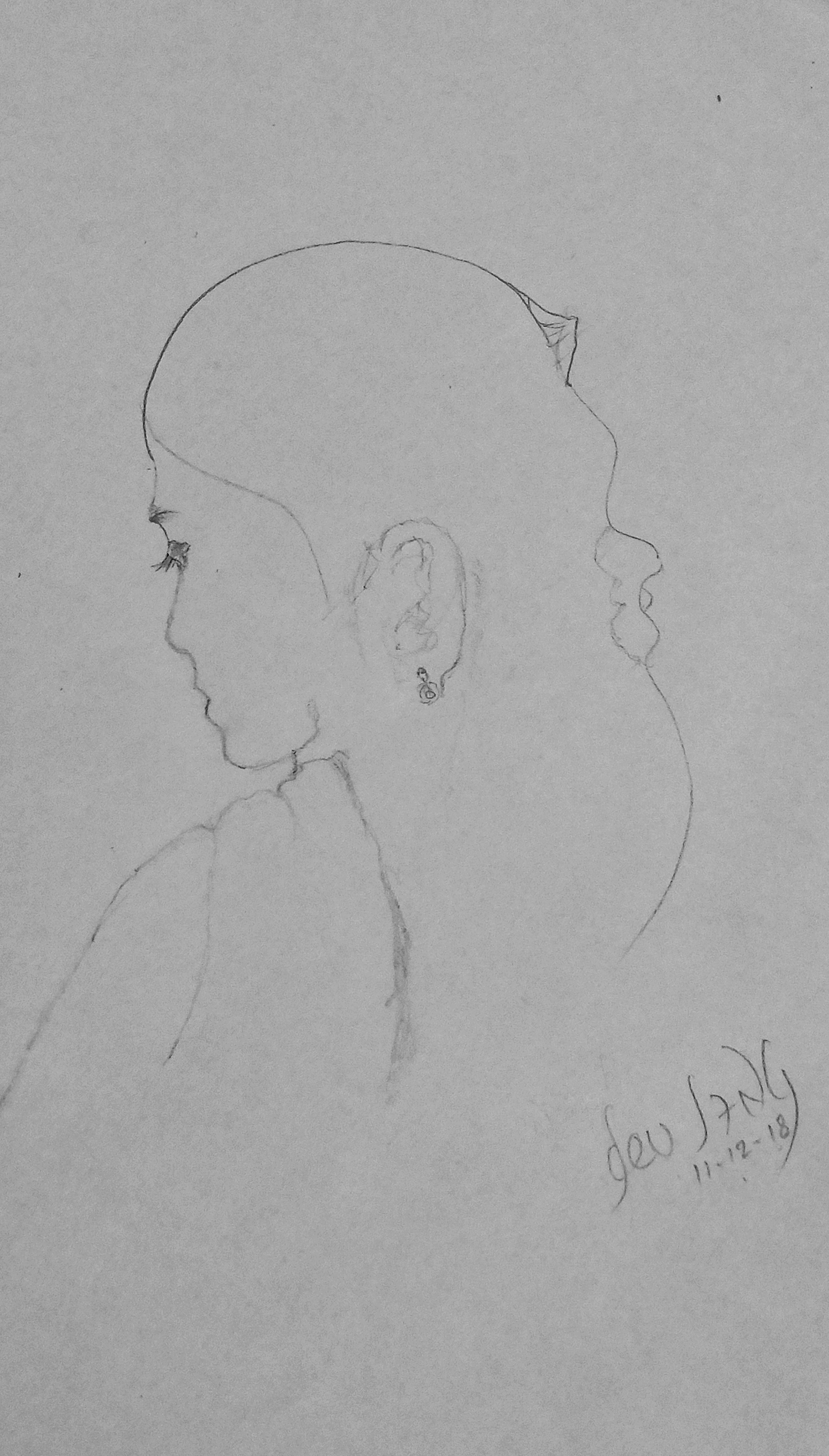

What to look for in an artist
Start with the portfolio, not the sales pitch. A good pencil portrait artist should show finished work, close-up detail, and enough variety to prove the style is consistent. If every sample looks softened by filters, cropped to hide weak areas, or suspiciously similar, that is not proof of skill. It is a parade.
Look for portraits with the kind of subject you actually want: adults, children, pets, memorial pieces, or multi-person compositions. A competent artist can draw all of them. A specialist may do one category better than the rest. Pick the one whose work matches your goal, not the one with the loudest adjectives.
- Review recent portfolio pieces, not just the best one from five years ago.
- Check whether the artist shows both the final portrait and work in progress.
- Read reviews for comments about likeness, communication, and reliability.
- Ask whether the artist works from one photo or combines several references.
For a neutral benchmark, compare the artist’s process with general portrait principles from the National Gallery’s portrait guidance and practical drawing advice from Drawspace. You are not buying a miracle. You are buying judgment, hand control, and follow-through.
How to communicate your vision
Most commission problems come from vague language. “Make it beautiful” is not a brief. It is a complaint waiting to happen. Send reference photos that are sharp, well lit, and close enough to show facial structure, hair texture, and clothing details. If the portrait is for a gift, mention what matters most: likeness, background simplicity, expression, or a particular mood.
Be specific about the size, orientation, paper preference, and whether you want the portrait cropped tightly or shown with shoulders and hands. If you want realism, say so. If you want a looser, softer finish, say that too. Do not assume the artist will decode your mind from a blurry phone photo and three adjectives.
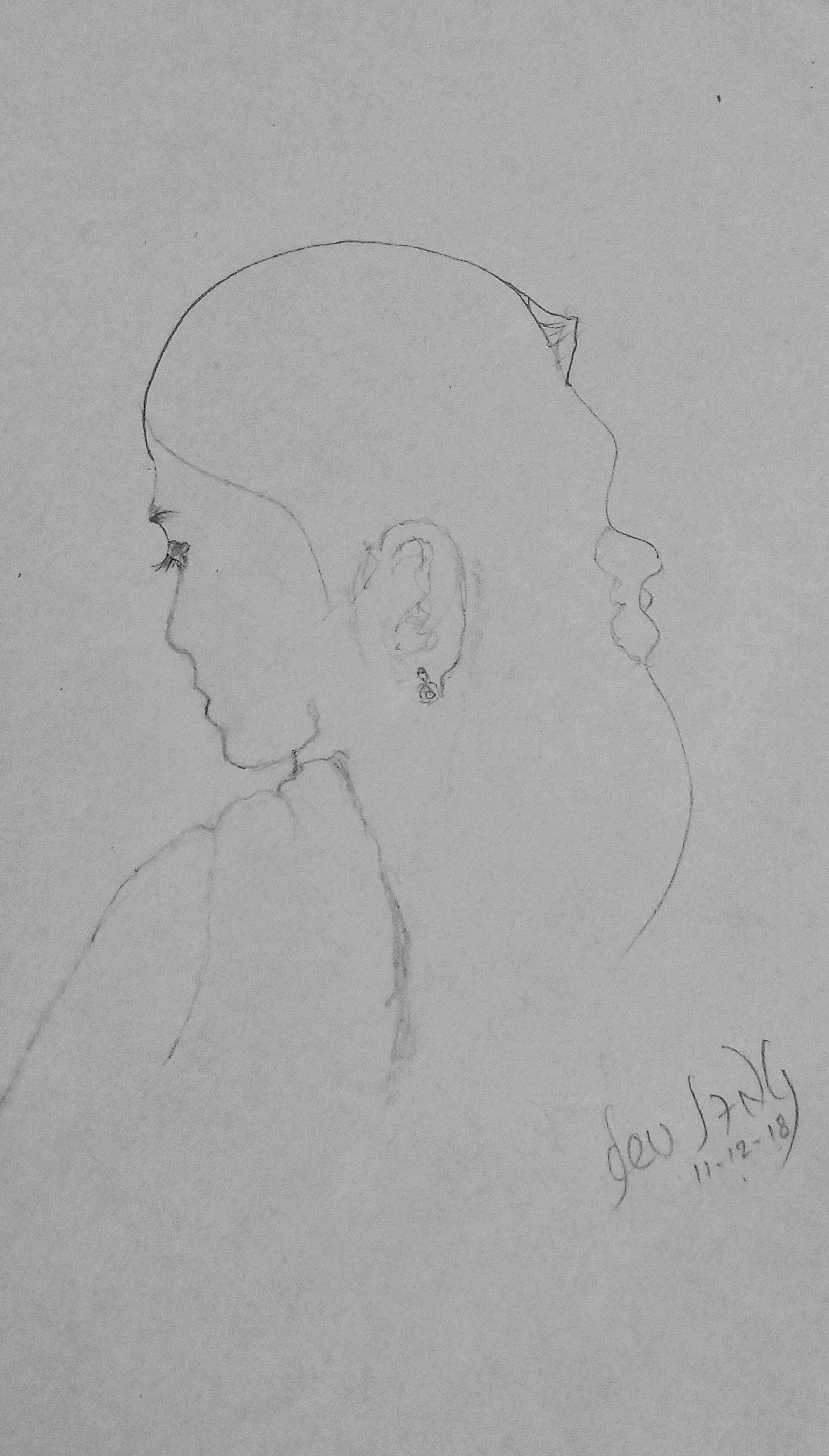
Good communication includes the ugly details: glasses glare, uneven lighting, missing hands, or a face turned at an awkward angle. If the source photo has a problem, say so. An artist cannot fix a bad reference by pretending it is fine. The reference photo is the evidence. Treat it that way.
Budgeting for commissions
Prices vary by size, subject count, paper quality, complexity, and turnaround time. There is no universal rate card that saves you from asking. In the U.S., simple single-subject pencil portraits often start in the low hundreds and rise from there when size or detail increases. Multi-subject portraits, rush work, and framing can push the total much higher.
| Commission factor | Typical budget impact |
|---|---|
| One subject vs. multiple subjects | More faces mean more time, and time is the billable part |
| Detailed background | Adds cost because the portrait stops being just a face study |
| Rush deadline | Usually costs extra if the artist accepts it at all |
| Framing and shipping | Can add a meaningful amount, especially for larger work |
If you want a realistic starting point, compare quote ranges with artist commission guides from Artists Network and general pricing discussions in the broader custom-art market. Set a budget before you email anyone. Otherwise you are just shopping by hope, which is a poor currency.
For visitors planning a portrait gift, see the home page for the site’s portrait focus and the contact page if you are ready to ask about a commission. More article-style guidance belongs in the blog, where the practical questions can be handled without ceremony.
Tips for a successful collaboration
Stay in touch, but do not micromanage every pencil stroke. The useful middle ground is simple: agree on the reference photo, size, deadline, and approval checkpoints before work begins. Then let the artist work. Constant second-guessing wastes time and tends to produce a drawing that satisfies nobody.
- Ask how revisions are handled before you pay a deposit.
- Confirm whether the artist sends progress photos or only final approval images.
- Get the delivery format in writing: digital preview, shipped original, or both.
- Keep your messages clear, short, and tied to actual issues, not vague unease.
Respect the creative process, but do not confuse respect with silence. If something is wrong, say it early. The time to mention a missing likeness or a wrong eye line is before the portrait is finished and sealed, not after it is wrapped.
Conclusion and FAQs
Commissioning a pencil portrait is mostly about avoiding sloppy assumptions. Choose an artist whose work proves they can draw what you need. Send strong reference photos. Set a budget that matches reality. Keep communication direct and useful. That is the process. No fairy dust required.
FAQs
How long does a pencil portrait take?
It depends on size, detail, and queue length. A simple portrait may take days; a complex one can take weeks.
What photo should I send?
Use the clearest image you have, ideally well lit and in focus. If possible, send a second reference showing details the main photo misses.
Can I request changes?
Usually yes, but ask how revisions work before you order. Good artists expect a normal review process. Bad ones pretend surprise is a business model.
What if I need a gift by a deadline?
Ask early and be honest about your date. A rush job is only realistic if the artist says so. Otherwise you are buying anxiety.