Portraits don’t just copy faces-they translate culture. When you look closely at the way an artist draws, shades, and chooses symbols, you’re really seeing values, history, and everyday life turned into line and light.
When people search for portrait art, they often ask: Why do styles look so different across cultures? Which details are “symbolic” vs. “just artistic choices”? And how should modern artists approach respectfully drawing people from backgrounds they’re not from?
Portraiture has always carried more than likeness. Scholars of art history and cultural expression note that images communicate identity, social role, and shared meaning-often through composition, gesture, clothing, and even what is left out. For a reliable overview of how cultural context shapes visual meaning, see Britannica’s overview of portraiture.
In this guide, you’ll learn how cultural influences affect portrait styles and techniques-then how to apply those ideas to your own pencil portrait work (including when you want your piece to feel both personal and culturally thoughtful).
Historical significance of portraits
Long before cameras, portraits were a way to preserve presence. But “presence” wasn’t only physical. In many places, portraits also helped people express rank, profession, family ties, devotion, and community belonging.
- Who is shown-rulers, religious figures, family members, or community heroes-often determines the style.
- How they’re posed-straight-on formality vs. relaxed movement-can signal social expectations.
- What surrounds the face-textiles, patterns, background motifs, and objects-acts like visual storytelling.
Even when artists worked within traditional conventions, the conventions still reflected cultural priorities: what a society believed was worth honoring, remembering, or sharing.
Cultural variations in style
“Culture” shows up in portrait style in practical, visible ways. Here are some common areas where you’ll notice differences.
1) Proportion and facial emphasis
Some traditions emphasize idealized features or symbolic proportions, while others aim for close naturalism. In pencil work, that can change how strongly you commit to very precise measurements versus softer, impressionistic structure.
2) Line character and texture
Portraits can feel graphic (crisp edges, deliberate contour) or atmospheric (layered shading, subtle transitions). Those choices often match local artistic training, preferred materials, and aesthetic ideals.
3) Lighting and value patterns
Different portrait traditions favor different “reading” styles-high contrast drama, gentle modeling, or flattened tonal fields. In graphite, that means you may chase darker value compression (for drama) or keep a wider gradient (for softness).
4) Background and composition
Culture also affects the “stage” of a portrait. Some artworks use backgrounds that look decorative or symbolic; others leave space quiet so the face becomes the focus.
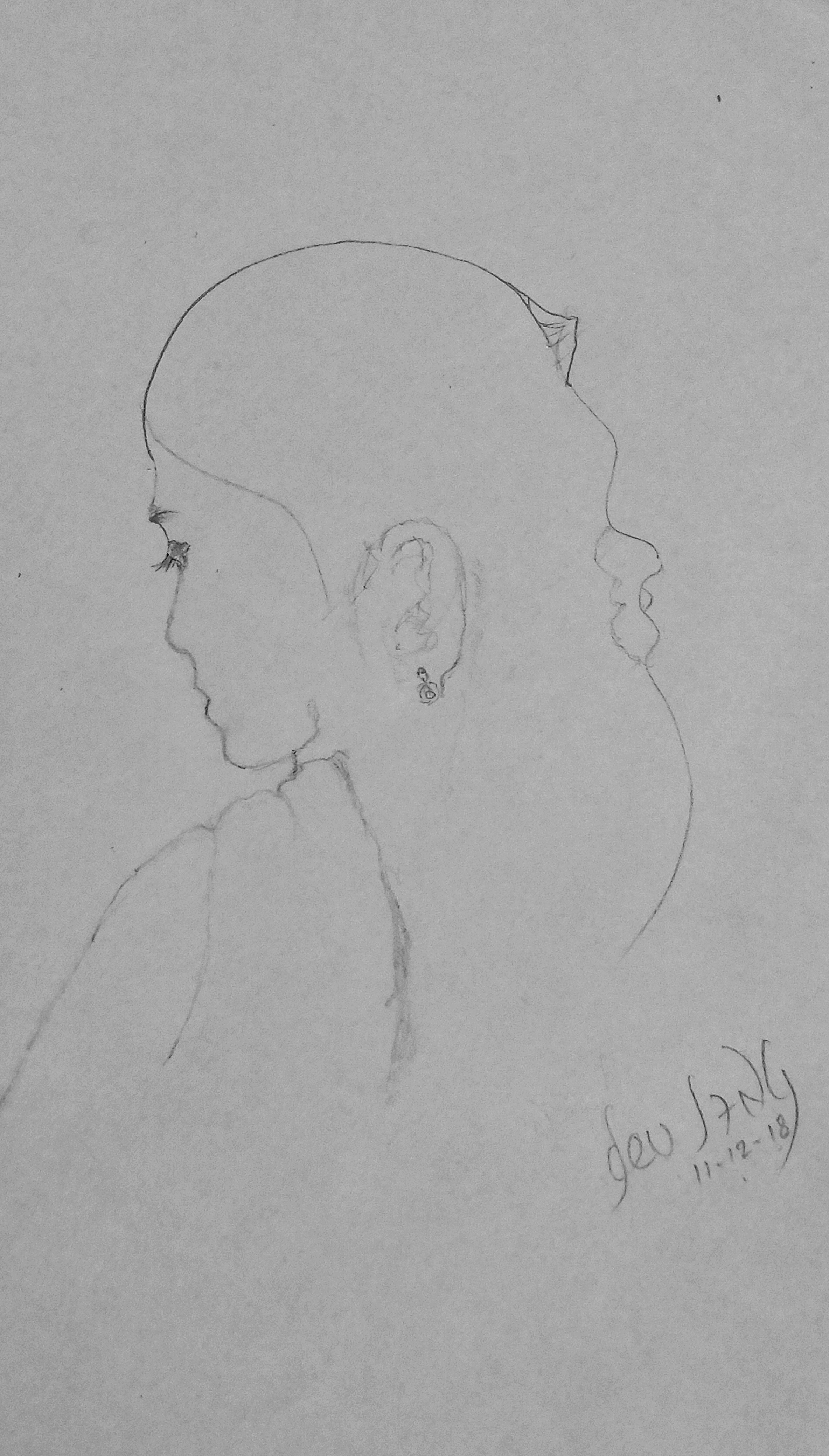
Influence of cultural symbols
Symbols aren’t always obvious at first glance, but they’re often deliberate. A portrait might include patterns, jewelry, head coverings, colors, or objects that communicate belief systems, heritage, or life roles.
When drawing from a photo, it helps to separate:
- Symbolic information: items that represent identity, ceremony, profession, or community affiliation.
- Personal information: features unique to the individual-like age expression, scars, favorite accessories, or chosen hairstyles.
A thoughtful approach is to keep symbolic details intact and render them with the same care you give facial features. If something is unclear, you can ask the photo owner what it represents (that’s often more respectful-and more accurate-than guessing).
Modern interpretations (and respectful practice)
Modern portrait art often blends traditions. Artists might use contemporary realism while borrowing cultural motifs, or they might remix older composition rules into new storytelling.
Two practical guidelines can help your work feel respectful and intentional:
- Use the source image honestly. Render what’s visible-especially clothing, hair, and symbolic items-without altering identity details just to match an unrelated style preference.
- Adjust technique, not truth. You can change the lighting pattern or pencil texture to achieve your aesthetic, while still keeping the portrait’s cultural cues accurate.
If you’re preparing a gift portrait from a client’s photo, clear expectations matter. A simple intake process-what they want emphasized, what they want preserved, and what background elements matter-reduces misunderstandings.
For background on why context matters when interpreting visual culture, see Wikipedia’s overview of visual culture.
Conclusion
Portrait art is never “just drawing.” Culture influences what artists value, what they symbolize, and how they compose a face. By noticing those patterns-historical significance, style variations, symbolic details, and modern reinterpretations-you can create pencil portraits that feel both beautiful and meaningfully connected to the person’s world.
Key takeaways
- Portrait traditions carry social and historical meaning, not only likeness.
- Style differences show up in line, value, composition, and emphasis.
- Symbolic details matter-treat them as information, not decoration.
- Modern art can blend influences when identity cues stay accurate.
If you’d like help planning a portrait gift, gather your preferred reference photos and note which cultural or symbolic elements you want preserved. Clear context makes the final drawing feel unmistakably personal.