Portrait artists don’t need to build success alone. Joining an art community can turn isolated practice into steady progress-through better connections, clearer feedback, and more creative momentum.
When you start looking for a community, it’s normal to wonder: Will it help my skills?
How do I find the right group?
What if I’m not experienced enough yet?
How much time does it really take?
As the National Endowment for the Arts notes, social participation and creative engagement can support learning, connection, and well-being-exactly the kind of “why it matters” artists feel in real life. (See: Creative Youth Development impact research.)
There’s also a practical reason communities work: feedback from peers speeds up iteration. In education research, peer learning and structured discussion are widely used because people understand faster when they can compare approaches and ask questions. (One accessible overview: peer learning and review concepts.)
By the end of this article, you’ll know what to look for in an art community, how networking can lead to opportunities, and how to use critique, inspiration, and learning-sharing in a way that actually improves your pencil portraits.
Networking opportunities
When you’re drawing portraits from photos, you’re doing a mix of art and problem-solving. An art community gives you regular access to people who are working through similar challenges-composition, likeness, shading choices, presentation, and client-facing decisions.
What networking looks like (beyond “collecting followers”)
- Collaborations: joint challenges, themed portrait prompts, or practice-buddy rounds.
- Local visibility: group shows, meetups, or community bulletin boards.
- Resource sharing: where people buy good reference materials, paper, frames, or framing tips.
- Referral paths: if someone needs a portrait gift, a community member can point them to the right artist.
Practical next step: choose one community where you can be present consistently (even 30 minutes a week). Consistency is what turns “nice conversations” into real opportunities.
Learning from others
Studying portraits is one thing. Seeing how someone else approaches the same problem-step by step-is another. In a community, you can learn without reinventing everything from scratch.
Learning benefits specific to pencil portrait artists
- Technique shortcuts: how others handle highlights, edges, and soft transitions in graphite and colored pencil.
- Photo-to-portrait translation: methods for simplifying busy backgrounds and focusing on facial structure.
- Material decisions: what paper people actually prefer for portrait skin tones, hair textures, and blending.
- Workflow ideas: how artists organize practice sessions and keep track of improvements.
In practice, learning from others works best when you bring a question. Instead of posting “Rate my drawing,” try: “How would you interpret the shadows under the chin based on this reference photo?”
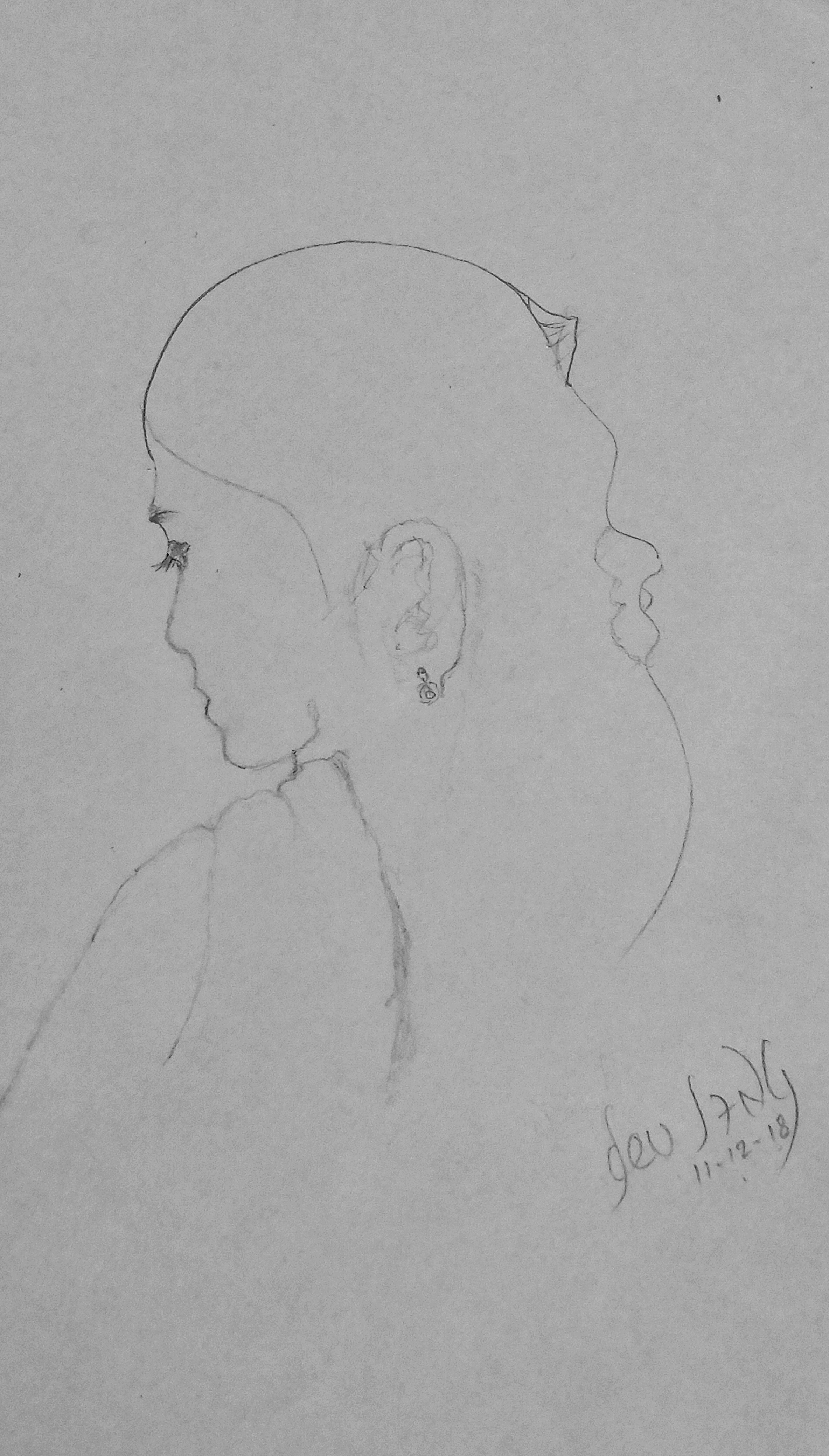
Sharing feedback and critique
Critique can feel intimidating, but it doesn’t have to be. A supportive art community turns feedback into a “practice tool,” not a judgment.
A feedback structure that keeps things useful
| What to say | Why it helps |
|---|---|
| What’s working | It confirms your strengths and gives you direction to keep them. |
| What’s unclear | It points to areas where the viewer can’t easily read the form. |
| One specific suggestion | It turns general opinions into an actionable next step. |
And if you’re receiving critique?
- Ask: “What should I change first?”
- Compare feedback points-when three people notice the same issue, it’s probably the bottleneck.
- Save your redraw plan. Come back after a practice session, not after a bad mood.
Finding inspiration
Inspiration isn’t just “feeling motivated.” It’s having new references, new styles to study, and new ways to look at your own work.
Ways communities fuel inspiration
- Theme prompts: animals, grandparents, hands, holiday gifts, or “one-hour likeness drills.”
- Process posts: seeing underdrawings, reference selection, and shading stages.
- Artist spotlights: learning how others balance commissions, practice, and personal projects.
- Friendly accountability: sharing progress keeps you moving even when practice feels slow.
Practical next step: pick one prompt and create a mini-series (3 pieces). Communities love follow-ups-and you’ll learn faster by comparing your own progress.
Conclusion
Joining an art community can improve your pencil portrait practice in four concrete ways: networking opportunities, learning from others, sharing feedback and critique, and finding inspiration that keeps you drawing.
If you’re deciding where to start, choose the community that offers the best mix of activity and constructive feedback-and commit to showing up long enough for progress to compound.
Quick recap
- Consistency beats intensity.
- Ask specific questions to get specific answers.
- Use critique as a tool: praise, clarify, and one actionable next step.
- Turn inspiration into a short series you can compare.
Explore more: check out the main site and visit the blog for more portrait drawing tips.